Domestic dogs have long been celebrated as loyal companions, guardians, and integral members of human families. With over 200 recognized breeds worldwide, they serve roles ranging from emotional support animals to working dogs in law enforcement and agriculture. However, not all dogs are equally suited to every environment, and some pose significant risks to public safety. The question of which domestic dogs are a danger to society is complex, intertwining breed-specific traits, statistical data on attacks, environmental factors, and human responsibility. While no breed is inherently “evil,” certain breeds have been linked to higher incidences of severe bites, fatalities, and societal disruptions due to their physical capabilities, historical breeding purposes, and behavioral tendencies.
To assess danger, we must first examine dog bite statistics, which provide quantifiable insights into risks. In the United States, where comprehensive data is available, approximately 4.5 million dog bites occur annually, with about 800,000 requiring medical attention. Fatal attacks, though rare (around 30-50 per year), highlight patterns by breed. Between 1979 and 2020, Pit Bulls were implicated in 346 fatal attacks, accounting for roughly 66% of all dog-related deaths during that period. Rottweilers followed with 45 fatalities, German Shepherds with 20, mixed breeds with 17, and American Bulldogs with 15. These figures are echoed in broader studies, where Pit Bulls and Rottweilers together comprise about 76% of fatal incidents. Globally, similar trends emerge; a 2024 analysis identified American Pit Bull Terriers as responsible for over 60% of fatal attacks, with Rottweilers at around 10%.
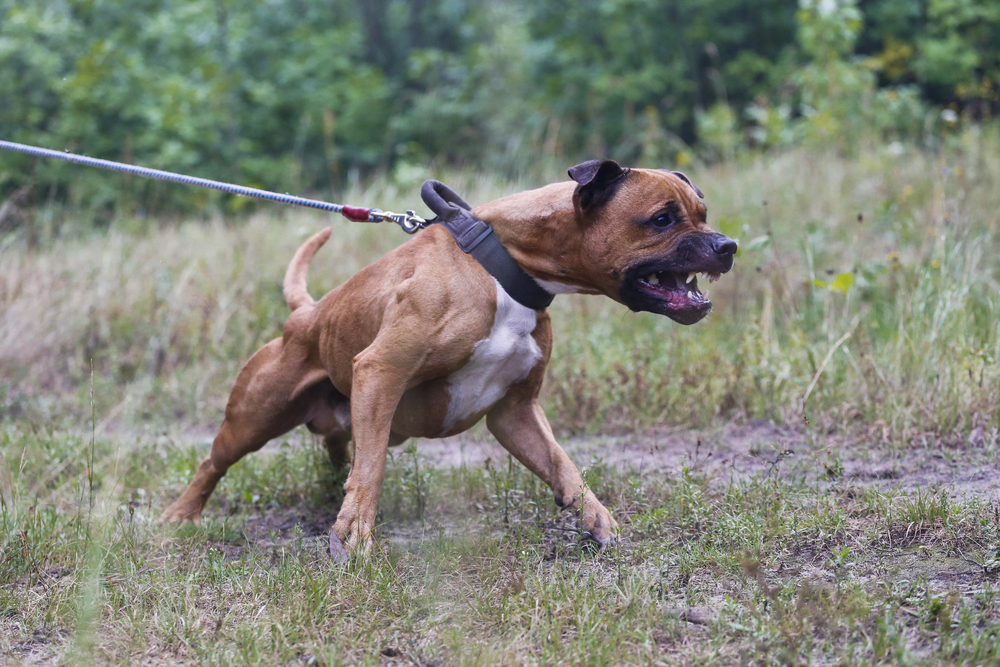
Pit Bulls, often a catch-all term for breeds like the American Pit Bull Terrier, American Staffordshire Terrier, and Staffordshire Bull Terrier, top nearly every list of dangerous dogs. Bred historically for bull-baiting and dogfighting, they possess immense jaw strength (estimated at 235-328 PSI) and tenacity, traits that can turn deadly in uncontrolled situations. Despite comprising only about 6.5% of the U.S. dog population, they are linked to 67% of fatalities. This disproportionate involvement has led to breed-specific legislation (BSL) in many areas. For instance, in the United Kingdom, Pit Bulls have been banned since 1991 under the Dangerous Dogs Act, alongside Japanese Tosa Inus, Dogo Argentinos, and Fila Brasileiros. In the U.S., cities like Denver and Miami enforce similar restrictions, citing public safety concerns. Critics argue that visual identification of Pit Bulls is unreliable, leading to unfair targeting, but proponents point to reduced attack rates in BSL-enforced areas.
Rottweilers, another frequently cited breed, were originally developed as herding and guarding dogs in Germany. Weighing up to 130 pounds with a powerful build, they can inflict severe injuries. They rank second in fatality statistics, often involved in attacks on children or the elderly. A 2023-2025 compilation lists them among the top dangerous breeds, alongside German Shepherds and Bullmastiffs. German Shepherds, prized for their intelligence and used in police work, have caused 20 fatalities in recent decades. Their protective instincts, if not properly channeled, can manifest as aggression toward strangers. In a study of aggression toward other dogs, Akitas scored highest at 29.3%, followed by Pit Bulls at 22%, but German Shepherds also feature prominently in human-directed incidents.
Other breeds warrant mention for their potential danger. The American Bulldog, related to Pit Bulls, has been involved in 15 fatal attacks and is banned in countries like Denmark and Singapore. Bullmastiffs, massive guardians bred from Bulldogs and Mastiffs, appear in lists due to their size (up to 130 pounds) and strength. Siberian Huskies, surprisingly, rank high in some rankings for their pack mentality and high prey drive, which can lead to unpredictable behavior around small children or animals. Boxers, Doberman Pinschers, and Boerboels (South African Mastiffs) also feature in global bans and aggression studies. The Tosa Inu, a Japanese fighting breed, is prohibited in over 20 countries, including Australia and the UK, due to its history in dogfighting rings. Dogo Argentinos and Fila Brasileiros, bred for big-game hunting, are restricted in places like Fiji and Norway for similar reasons. A comprehensive report notes that at least 84 countries regulate dangerous breeds, with 99% including Pit Bull types, 89% Mastiff/fighting breeds, and 45% Rottweilers.
However, labeling entire breeds as dangerous oversimplifies the issue. Factors beyond genetics play crucial roles in a dog’s behavior. Research from Helsinki, analyzing over 9,000 dogs, found that fearfulness, pain, older age, and being male increase aggression risks. Environmental influences, such as lack of socialization, abuse, or chaining, exacerbate problems. A study in Applied Animal Behaviour Science identified demographic factors like the owner’s experience and the dog’s acquisition source as contributors. Sterilization status and training methods also matter; unneutered males show higher aggression rates. Moreover, societal issues like animal cruelty correlate with human violence, suggesting that dangerous dogs often reflect negligent owners. Breed-specific legislation is controversial because it doesn’t address root causes; the American Veterinary Medical Association argues that focusing on behavior, not appearance, is more effective.
In societies where dogs are ubiquitous, these dangers manifest in various ways. Fatal attacks grab headlines, but non-fatal bites lead to thousands of emergency visits annually, straining healthcare systems. Children under 2 account for 26% of fatalities, often due to unsupervised interactions with large breeds. Public spaces become hazardous when irresponsible owners allow aggressive dogs off-leash, eroding community trust. Economically, dog attacks cost insurers over $1 billion yearly in claims. Culturally, the “dogs equal children” mindset perpetuates risks by downplaying breed differences.
Ultimately, while breeds like Pit Bulls, Rottweilers, German Shepherds, and others are statistically more dangerous due to their strength and historical roles, society must prioritize education and regulation. Responsible ownership—through training, socialization, and spaying/neutering—can mitigate risks. Bans in countries like Norway (prohibiting Pit Bulls and American Staffordshire Terriers) demonstrate proactive approaches, but universal solutions lie in owner accountability. Dogs enhance society when handled properly; when not, they become liabilities. By understanding these dynamics, we can foster safer coexistence.
Advertisement:
No products found.
We get commissions for purchases made through links on this website. As an Amazon Associate we earn from qualifying purchases.